01
Apr 16, 2024
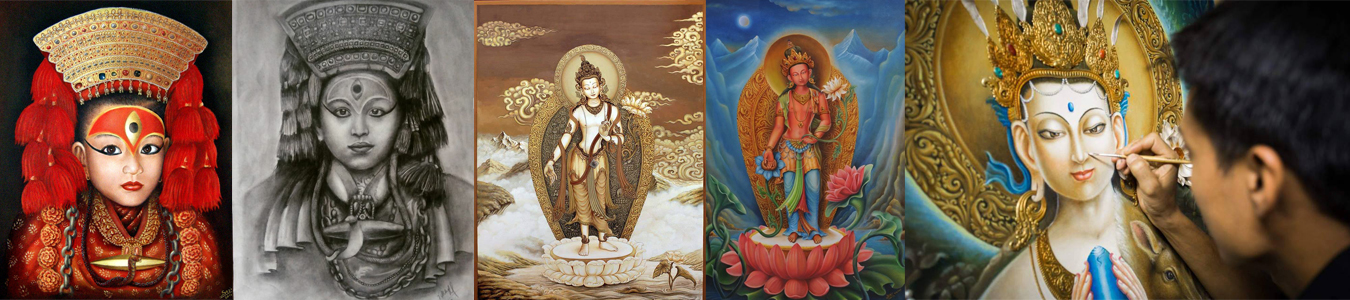
Every aspect of Green Tara's depiction is a teaching in itself. She is typically shown as a beautiful, youthful goddess in a posture of graceful readiness.
Seated in "Lalitasana" (Royal Ease): Her right leg is extended, symbolizing her readiness to stand up at any moment to come to our aid. Her left leg is folded in meditation, representing her perfect integration of wisdom and compassion.
Two Arms: Her two arms signify the union of method and wisdom. She often holds the stem of a blue lotus (utpala) in her left hand, which blossoms at her shoulder. The lotus represents purity, rising from the mud of suffering unstained. Hand Gestures (Mudras):
Her right hand is in the "Varada Mudra," the gesture of granting wishes, giving blessings, and offering protection.
Her left hand is at her heart in the "Vitarka Mudra," the gesture of teaching and turning the Wheel of Dharma, holding the lotus stem.